




How to adjust the flow rate in a Tube in Tube Type Condenser?
 Oct 26, 2026|
Adjusting the flow rate in a tube in tube type condenser is a crucial aspect of ensuring its optimal performance in various industrial and commercial applications. As a leading supplier of tube in tube type condensers, we understand the significance of precise flow rate control and are committed to providing our customers with the knowledge and solutions to achieve it.
Understanding Tube in Tube Type Condensers
Tube in tube type condensers are heat exchangers commonly used in refrigeration, air conditioning, and industrial processes. They consist of two concentric tubes, with one fluid flowing through the inner tube and another flowing through the annular space between the two tubes. The heat transfer occurs through the walls of the tubes, allowing the condenser to cool or condense the hot fluid.
The efficiency of a tube in tube type condenser depends on several factors, including the flow rates of the fluids, the temperature difference between the hot and cold fluids, and the surface area of the tubes. By adjusting the flow rate, you can optimize the heat transfer process and improve the overall performance of the condenser.
Factors Affecting Flow Rate
Before discussing how to adjust the flow rate, it's essential to understand the factors that can affect it. Here are some key factors to consider:
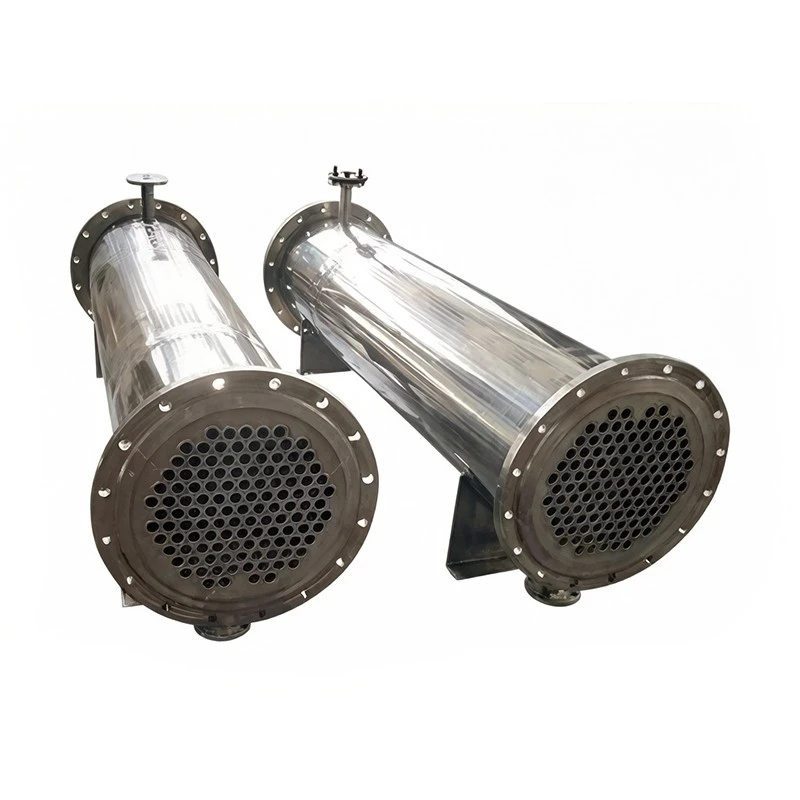

- Pump Capacity: The capacity of the pump used to circulate the fluids determines the maximum flow rate that can be achieved. A pump with a higher capacity can provide a greater flow rate, but it should be properly sized to match the requirements of the condenser.
- Pipe Diameter: The diameter of the pipes used in the condenser system affects the flow rate. A larger pipe diameter generally allows for a higher flow rate, but it also increases the cost of the system.
- Fluid Viscosity: The viscosity of the fluid being circulated can impact the flow rate. More viscous fluids require more energy to flow, which can result in a lower flow rate.
- Pressure Drop: The pressure drop across the condenser can also affect the flow rate. A higher pressure drop can reduce the flow rate, so it's important to minimize pressure losses in the system.
Methods for Adjusting Flow Rate
There are several methods you can use to adjust the flow rate in a tube in tube type condenser. Here are some common approaches:
- Valve Adjustment: One of the simplest ways to adjust the flow rate is by using valves. By opening or closing a valve, you can control the amount of fluid flowing through the condenser. There are different types of valves available, such as gate valves, globe valves, and ball valves, each with its own advantages and disadvantages.
- Pump Speed Control: Another method is to control the speed of the pump. By adjusting the pump speed, you can vary the flow rate of the fluid. This can be achieved using a variable frequency drive (VFD), which allows you to adjust the pump speed based on the requirements of the system.
- Bypass Line: A bypass line can be installed in the condenser system to divert a portion of the fluid around the condenser. By adjusting the flow through the bypass line, you can control the overall flow rate through the condenser.
- Tube Size and Configuration: Changing the size or configuration of the tubes in the condenser can also affect the flow rate. For example, using tubes with a larger diameter or a different number of tubes can increase the flow rate.
Step-by-Step Guide to Adjusting Flow Rate
Here is a step-by-step guide to adjusting the flow rate in a tube in tube type condenser:
- Understand the System Requirements: Before making any adjustments, it's important to understand the specific requirements of your system. This includes the desired flow rate, the temperature difference between the hot and cold fluids, and the pressure drop across the condenser.
- Check the Pump and Valves: Inspect the pump and valves in the system to ensure they are functioning properly. Make sure the pump is operating at the correct speed and that the valves are fully open or closed as required.
- Measure the Flow Rate: Use a flow meter to measure the current flow rate through the condenser. This will give you a baseline for comparison and help you determine if any adjustments are needed.
- Make Small Adjustments: Start by making small adjustments to the flow rate using one of the methods described above. For example, you can adjust the valve position or the pump speed in small increments and monitor the effect on the flow rate.
- Monitor the Performance: As you make adjustments, monitor the performance of the condenser. Check the temperature difference between the hot and cold fluids, the pressure drop across the condenser, and the overall efficiency of the system. Make further adjustments as needed to optimize the performance.
- Document the Changes: Keep a record of the adjustments you make and the resulting changes in the flow rate and performance. This will help you track the effectiveness of your adjustments and make future adjustments more easily.
Importance of Proper Flow Rate Adjustment
Proper flow rate adjustment is essential for the efficient operation of a tube in tube type condenser. Here are some reasons why:
- Optimal Heat Transfer: By adjusting the flow rate, you can ensure that the hot and cold fluids are flowing through the condenser at the optimal rates for heat transfer. This can improve the efficiency of the condenser and reduce energy consumption.
- Preventing Overheating: If the flow rate is too low, the hot fluid may not be cooled effectively, leading to overheating and potential damage to the condenser. On the other hand, if the flow rate is too high, it can increase the pressure drop across the condenser and reduce its efficiency.
- Longevity of the Equipment: Maintaining the proper flow rate can help extend the lifespan of the condenser and other components in the system. By reducing wear and tear on the equipment, you can minimize the need for repairs and replacements.
Conclusion
Adjusting the flow rate in a tube in tube type condenser is a critical aspect of ensuring its optimal performance. By understanding the factors that affect flow rate and using the appropriate methods to adjust it, you can improve the efficiency of the condenser, prevent overheating, and extend the lifespan of the equipment. As a supplier of tube in tube type condensers, we are here to provide you with the expertise and support you need to achieve the best results. If you have any questions or need assistance with flow rate adjustment or any other aspect of our products, please [Contact Us for a Detailed Discussion on Your Requirements.]. Our team of experts is ready to help you find the right solutions for your specific needs.
References
- Incropera, F. P., & DeWitt, D. P. (2002). Fundamentals of Heat and Mass Transfer. Wiley.
- Kraus, A. D., & Bar-Cohen, A. (1995). Thermal Analysis and Control of Electronic Equipment. Wiley.
- Shah, R. K., & Sekulic, D. P. (2003). Fundamentals of Heat Exchanger Design. Wiley.