




What is the technological level of condenser suppliers?
 Aug 31, 2026|
In the dynamic landscape of industrial technology, condensers play a pivotal role in a wide array of applications, from power generation to refrigeration and chemical processing. As a condenser supplier, I am constantly engaged in the pursuit of technological excellence to meet the diverse needs of our customers. In this blog, I will delve into the technological level of condenser suppliers, exploring the key aspects that define our capabilities and the innovations that drive our industry forward.
Core Technological Competencies
Material Selection and Engineering
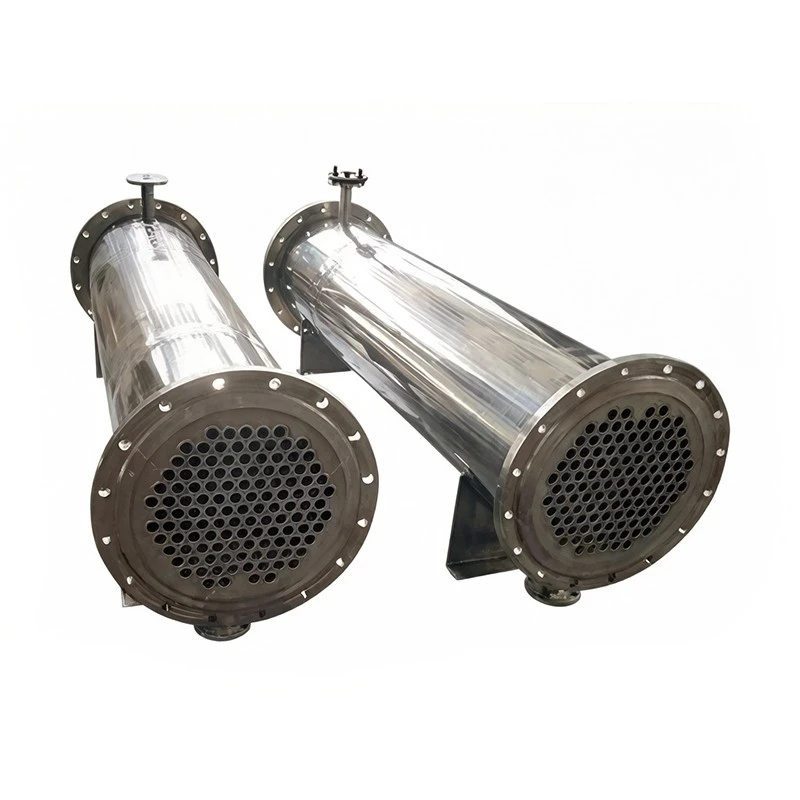
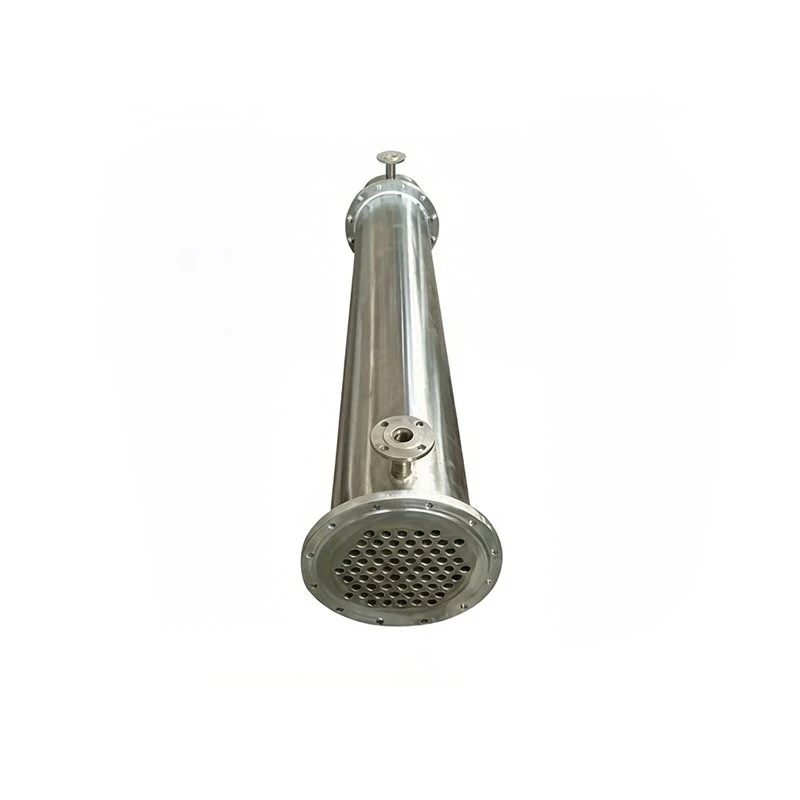
One of the fundamental aspects of condenser technology lies in the selection and engineering of materials. Different applications demand different materials based on factors such as corrosion resistance, thermal conductivity, and mechanical strength. For instance, in environments where corrosion is a significant concern, stainless steel is often the material of choice. Our Stainless Steel Heat Condenser is designed to withstand harsh chemical environments while maintaining high thermal efficiency. Stainless steel offers excellent corrosion resistance, which extends the lifespan of the condenser and reduces maintenance costs.
On the other hand, for applications that require high thermal conductivity, copper or aluminum may be used. These materials allow for efficient heat transfer, ensuring that the condenser can effectively cool the working fluid. The choice of material also affects the manufacturing process, as different materials require different forming and joining techniques. Our engineering team is well-versed in the properties of various materials and can select the most appropriate one for each specific application.
Design and Optimization
The design of a condenser is crucial to its performance. Our design process involves a combination of theoretical analysis, computational fluid dynamics (CFD) simulations, and experimental testing. CFD simulations allow us to model the flow of fluids and heat transfer within the condenser, enabling us to optimize the design for maximum efficiency. We can analyze factors such as fluid flow patterns, pressure drops, and heat transfer coefficients to ensure that the condenser meets the required performance specifications.
In addition to CFD simulations, we also conduct experimental testing on prototypes to validate the design. This involves measuring the performance of the condenser under various operating conditions and making adjustments as needed. Our design team is constantly looking for ways to improve the efficiency and reliability of our condensers, whether through innovative geometries, enhanced heat transfer surfaces, or improved fluid distribution systems.
Manufacturing Processes
The manufacturing process is another critical aspect of condenser technology. We use state-of-the-art manufacturing techniques to ensure the quality and precision of our condensers. Our manufacturing facilities are equipped with advanced machinery and equipment, including CNC machining centers, welding robots, and automated assembly lines. These technologies allow us to produce condensers with high accuracy and consistency, ensuring that each unit meets our strict quality standards.
One of the key manufacturing processes in condenser production is tube bending and expansion. The tubes in a condenser are responsible for transferring heat between the working fluid and the cooling medium, so their quality and integrity are essential. We use advanced tube bending and expansion techniques to ensure that the tubes are properly shaped and connected, minimizing the risk of leaks and maximizing heat transfer efficiency.
Technological Innovations
Enhanced Heat Transfer Surfaces
One of the most significant technological innovations in condenser technology is the development of enhanced heat transfer surfaces. These surfaces are designed to increase the surface area available for heat transfer, thereby improving the efficiency of the condenser. There are several types of enhanced heat transfer surfaces, including finned tubes, microchannels, and porous coatings.
Finned tubes are one of the most common types of enhanced heat transfer surfaces. The fins increase the surface area of the tube, allowing for more efficient heat transfer. Our Shell and Tube Type Water Cooled Condenser often uses finned tubes to enhance its performance. Microchannels, on the other hand, are small channels that are etched or machined into the surface of the tube. These channels increase the turbulence of the fluid flow, which also improves heat transfer efficiency.
Smart Condenser Technology
With the advent of the Internet of Things (IoT) and Industry 4.0, smart condenser technology is becoming increasingly popular. Smart condensers are equipped with sensors and actuators that allow them to monitor and control their own performance. These sensors can measure parameters such as temperature, pressure, and flow rate, and the actuators can adjust the operation of the condenser based on these measurements.
For example, a smart condenser can automatically adjust the flow rate of the cooling medium based on the temperature of the working fluid. This not only improves the efficiency of the condenser but also reduces energy consumption. Our 2 Pass Condenser can be integrated with smart technology to provide real-time monitoring and control, ensuring optimal performance and reliability.
Energy-Efficient Designs
In today's energy-conscious world, energy efficiency is a top priority for condenser suppliers. We are constantly developing new designs and technologies to reduce the energy consumption of our condensers. One of the ways we do this is by optimizing the design of the condenser to minimize pressure drops and maximize heat transfer efficiency.
Another approach is to use energy recovery systems. These systems capture the waste heat from the condenser and use it for other purposes, such as preheating the incoming fluid or generating electricity. By implementing energy recovery systems, we can significantly reduce the energy consumption of the condenser and improve its overall efficiency.
Meeting Customer Needs
As a condenser supplier, our ultimate goal is to meet the needs of our customers. We understand that each customer has unique requirements, and we work closely with them to develop customized solutions. Whether it's a small-scale refrigeration system or a large industrial power plant, we have the expertise and technology to provide the right condenser for the job.
We also offer comprehensive after-sales support, including installation, maintenance, and repair services. Our team of experienced technicians is available 24/7 to ensure that our customers' condensers are operating at peak performance. We believe that providing excellent customer service is essential to building long-term relationships with our customers.
Conclusion
The technological level of condenser suppliers is constantly evolving, driven by the need for improved efficiency, reliability, and environmental sustainability. As a condenser supplier, we are committed to staying at the forefront of technological innovation, investing in research and development to develop new products and solutions. Our core technological competencies in material selection, design, and manufacturing, combined with our focus on innovation and customer service, enable us to provide high-quality condensers that meet the diverse needs of our customers.
If you are in the market for a condenser, we invite you to contact us to discuss your specific requirements. Our team of experts will be happy to provide you with detailed information about our products and services and help you find the right condenser for your application.
References
- Incropera, F. P., DeWitt, D. P., Bergman, T. L., & Lavine, A. S. (2007). Fundamentals of heat and mass transfer. John Wiley & Sons.
- Kakac, S., & Liu, H. (2002). Heat exchangers: selection, rating, and thermal design. CRC Press.
- Stoecker, W. F., & Jones, J. W. (1982). Refrigeration and air conditioning. McGraw-Hill.