




Can a tube type condenser be used in a solar energy system?
 Nov 06, 2026|
Can a Tube Type Condenser be Used in a Solar Energy System?
In the dynamic landscape of renewable energy, solar power stands at the forefront as a clean, sustainable, and increasingly efficient source of electricity. As the demand for solar energy systems grows, so does the need for high - performance components that can optimize energy conversion and utilization. One such component that might not be as commonly associated with solar energy systems as solar panels themselves is the tube type condenser. In this blog post, as a supplier of tube type condensers, I will explore whether a tube type condenser can be effectively used in a solar energy system, delving into the technical aspects, benefits, and potential challenges.
Understanding Tube Type Condensers
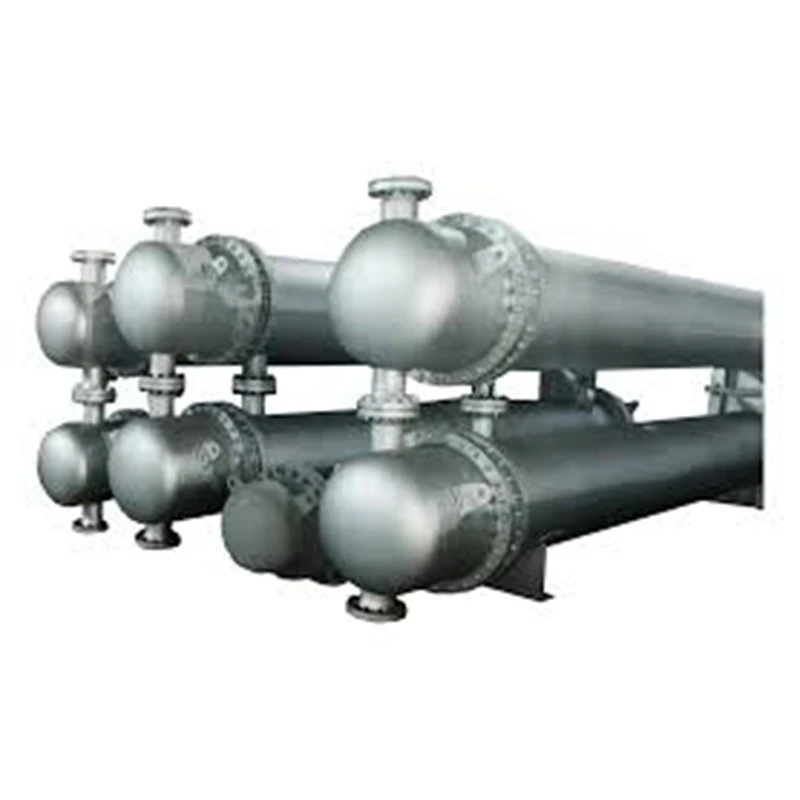
Before we discuss the application of tube type condensers in solar energy systems, let's first understand what tube type condensers are. A tube type condenser is a heat exchanger that transfers heat from a hot gas (usually a refrigerant) to a cooler fluid (such as water or air) through a series of tubes. There are several types of tube type condensers, including Condenser Shell and Tube Heat Exchanger, Shell and Tube Type Water Cooled Condenser, Tube in Tube Type Condenser, Shell and Tube Heat Exchanger Condenser, and Tube in Shell Condenser.
The basic principle behind these condensers is the transfer of heat through the tube walls. In a shell - and - tube condenser, the refrigerant flows through the tubes while the cooling fluid passes through the shell surrounding the tubes. The large surface area of the tubes allows for efficient heat transfer, causing the refrigerant to condense from a gas to a liquid state. Tube - in - tube condensers, on the other hand, have an inner tube and an outer tube, with the refrigerant flowing through one tube and the cooling fluid through the other.
Solar Energy Systems and Their Cooling Requirements
Solar energy systems can be broadly classified into two types: photovoltaic (PV) systems and solar thermal systems. PV systems convert sunlight directly into electricity using solar cells, while solar thermal systems capture the heat from sunlight to heat a fluid, which can then be used for various applications such as space heating, water heating, or power generation.
In both types of systems, managing heat is crucial. In PV systems, high temperatures can reduce the efficiency of solar cells. The efficiency of a PV panel typically decreases as the temperature rises, and excessive heat can also lead to long - term degradation of the cells. Cooling the PV panels can therefore improve their performance and extend their lifespan.
Solar thermal systems, on the other hand, often require a means to condense steam or other working fluids after they have transferred their heat to perform work. For example, in a concentrated solar power (CSP) plant, where sunlight is concentrated to heat a working fluid to generate steam that drives a turbine, the steam needs to be condensed back into a liquid state for reuse in the cycle.
Advantages of Using Tube Type Condensers in Solar Energy Systems
Efficient Heat Transfer
Tube type condensers offer high - efficiency heat transfer capabilities. The large surface area provided by the tubes allows for rapid heat exchange between the hot refrigerant or working fluid and the cooling medium. In a solar energy system, this efficiency can be critical for maintaining optimal operating temperatures. For PV systems, a tube type condenser can be used in an active cooling system to quickly remove heat from the panels, thereby improving their efficiency. In solar thermal systems, it can effectively condense the steam or other working fluids, enabling the continuous operation of the power cycle.
Durability and Reliability
Tube type condensers are known for their durability and reliability. They are typically made of robust materials such as copper, stainless steel, or aluminum, which can withstand the harsh operating conditions often encountered in solar energy systems, including high temperatures and exposure to sunlight. This reliability ensures long - term performance and reduces the need for frequent maintenance, which is essential for the cost - effectiveness of solar energy systems.
Customizability
As a tube type condenser supplier, I understand that every solar energy system is unique, with different cooling requirements and spatial constraints. Tube type condensers can be customized to meet these specific needs. They can be designed with different tube diameters, lengths, and configurations, as well as different numbers of tubes, to optimize heat transfer and fit into the available space. This customizability makes tube type condensers a versatile option for solar energy systems.
Challenges and Considerations
Cost
One of the main challenges of using tube type condensers in solar energy systems is the initial cost. High - quality tube type condensers can be relatively expensive, especially when custom - designed for specific applications. However, it's important to consider the long - term benefits. The improved efficiency and reliability of the solar energy system can offset the initial investment over time, leading to cost savings in the form of increased energy production and reduced maintenance costs.

Fluid Compatibility
Another consideration is the compatibility of the working fluid in the solar energy system with the materials used in the tube type condenser. Different working fluids, such as refrigerants or heat - transfer oils, may have different chemical properties that can interact with the condenser materials. For example, some refrigerants may require special coatings on the tubes to prevent corrosion. It's essential to select a tube type condenser with materials that are compatible with the working fluid to ensure long - term performance and prevent system failures.
Space Requirements
Tube type condensers can be relatively large in size, especially for high - capacity applications. This can be a challenge in solar energy systems where space may be limited, such as in rooftop PV installations. However, as mentioned earlier, tube type condensers can be customized in terms of their size and configuration to fit into the available space. Compact designs can also be developed to meet the needs of space - constrained applications.
Conclusion
In conclusion, a tube type condenser can indeed be used in a solar energy system. Its high - efficiency heat transfer, durability, and customizability make it a suitable option for both PV and solar thermal systems. While there are challenges such as cost, fluid compatibility, and space requirements, these can be addressed through careful design and selection.
If you are involved in the development or operation of a solar energy system and are looking for a reliable tube type condenser solution, I encourage you to reach out. Our team of experts is ready to assist you in choosing the right condenser for your specific needs and to answer any questions you may have. Whether it's a custom - designed Condenser Shell and Tube Heat Exchanger or a standard Tube in Tube Type Condenser, we can provide you with high - quality products and excellent service. Let's work together to optimize the performance of your solar energy system and contribute to a more sustainable future.
References
- Duffie, J. A., & Beckman, W. A. (2013). Solar engineering of thermal processes. Wiley.
- Kreith, F., & Goswami, D. Y. (2012). Principles of heat transfer. Cengage Learning.
- Stoecker, W. F., & Jones, J. W. (1982). Refrigeration and air conditioning. McGraw - Hill.