




What are the installation considerations for a condenser in a small - scale application?
 Nov 04, 2026|
When it comes to small - scale applications, the installation of a condenser is a crucial process that demands careful consideration. As a condenser supplier, I've witnessed firsthand the impact of proper installation on the performance and longevity of these essential components. In this blog, I'll delve into the key installation considerations for condensers in small - scale applications.
1. Space and Location
One of the primary factors to consider is the available space for the condenser. In small - scale applications, space is often limited, so it's essential to choose a condenser that fits the available footprint. For instance, a Fin and Tube Type Condenser is a popular choice for small spaces due to its compact design.
The location of the condenser also matters significantly. It should be installed in a well - ventilated area to ensure proper heat dissipation. Avoid placing the condenser near walls, obstructions, or areas with poor air circulation. If the condenser is water - cooled, it should be located close to a reliable water source and a proper drainage system. A Water Cooled Surface Condenser requires a consistent supply of cool water for efficient operation.
2. Structural Integrity
The installation site must have the necessary structural integrity to support the weight of the condenser. Overloading a weak structure can lead to safety hazards and damage to the condenser. Before installation, conduct a thorough assessment of the installation surface. If the condenser is to be mounted on a rooftop or a raised platform, ensure that the structure can withstand the static and dynamic loads imposed by the condenser, especially during operation when vibrations may occur.
For small - scale applications, a 2 Pass Condenser is relatively lightweight, but still, proper support is required. It's advisable to use appropriate mounting brackets and fasteners to secure the condenser firmly in place.
3. Electrical and Plumbing Connections
Proper electrical and plumbing connections are vital for the successful operation of a condenser. When it comes to electrical connections, ensure that the power supply matches the condenser's electrical requirements. Incorrect voltage or amperage can damage the condenser's components and pose a safety risk.
For water - cooled condensers, such as a Shell and Tube Type Water Cooled Condenser, the plumbing connections must be leak - free. Use high - quality pipes and fittings to prevent water leakage, which can lead to corrosion and reduced efficiency. The water flow rate and pressure should also be within the recommended range for the condenser.
4. Environmental Conditions
The environmental conditions at the installation site can have a significant impact on the condenser's performance. Temperature, humidity, and air quality are key factors to consider. In high - temperature environments, the condenser may need to work harder to dissipate heat, which can reduce its efficiency and lifespan.
Humidity can also cause corrosion and damage to the condenser's components. If the installation site is in a coastal area or an environment with high humidity, it's advisable to choose a condenser with corrosion - resistant materials.

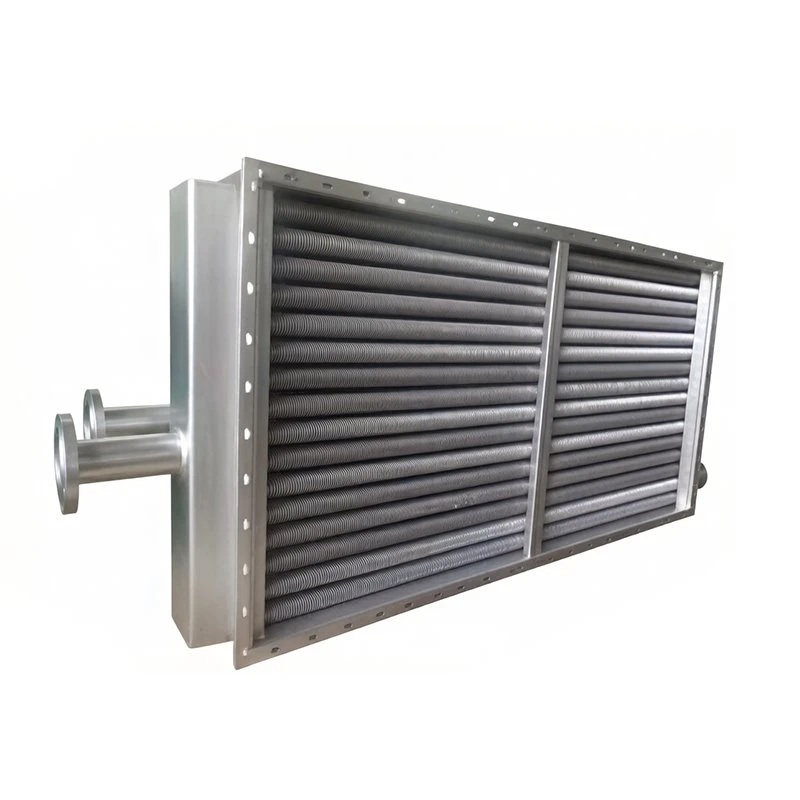
Air quality is another important consideration. Dust, dirt, and other contaminants in the air can accumulate on the condenser's coils, reducing its heat transfer efficiency. Regular maintenance and cleaning are essential to keep the condenser operating at peak performance.
5. Maintenance Accessibility
Easy access for maintenance is crucial for the long - term performance of the condenser. During installation, ensure that there is sufficient space around the condenser for technicians to perform routine maintenance tasks, such as cleaning the coils, checking the refrigerant levels, and inspecting the electrical and plumbing connections.
A Shell and Tube Heat Exchanger Condenser may require more in - depth maintenance, so it's important to plan for easy access to all its components.
6. Compatibility with the System
The condenser must be compatible with the rest of the system in which it is installed. This includes the compressor, evaporator, and other components. The refrigerant type and flow rate should be matched to ensure efficient operation.
For example, if the system uses a specific refrigerant, the condenser must be designed to work with that refrigerant. Mismatched components can lead to reduced efficiency, increased energy consumption, and potential system failures.
7. Noise Considerations
In small - scale applications, especially in residential or office settings, noise can be a significant concern. The condenser should be installed in a location where its noise level will not cause a disturbance. Some condensers are designed with noise - reducing features, such as insulated cabinets and low - noise fans.
When choosing a condenser, consider its noise rating and select a model that meets the noise requirements of the installation site.
8. Regulatory Compliance
Ensure that the installation of the condenser complies with all relevant local, national, and international regulations. This includes safety regulations, environmental regulations, and building codes.
For example, in some areas, there are regulations regarding the disposal of refrigerants and the installation of condensers in certain locations. Failure to comply with these regulations can result in fines and legal issues.
9. Commissioning and Testing
After the condenser is installed, it's essential to conduct thorough commissioning and testing. This includes checking the electrical and plumbing connections, verifying the refrigerant levels, and testing the condenser's performance under different operating conditions.
Commissioning and testing ensure that the condenser is operating correctly and efficiently. Any issues identified during this process should be addressed immediately to prevent future problems.
10. Training and Support
Provide training to the end - users or operators on how to operate and maintain the condenser properly. This includes instructions on starting and stopping the condenser, monitoring its performance, and performing routine maintenance tasks.
As a condenser supplier, we also offer ongoing support to our customers. If any issues arise during the operation of the condenser, our technical team is available to provide assistance and guidance.
In conclusion, the installation of a condenser in a small - scale application requires careful consideration of various factors, including space, structural integrity, electrical and plumbing connections, environmental conditions, maintenance accessibility, compatibility, noise, regulatory compliance, commissioning, and training. By taking these factors into account, you can ensure that the condenser operates efficiently and reliably for years to come.
If you're in the market for a condenser for your small - scale application, we'd love to discuss your specific needs. Contact us to start a conversation about how our high - quality condensers can meet your requirements and enhance the performance of your system.
References
- ASHRAE Handbook - HVAC Systems and Equipment.
- Manufacturer's installation and operation manuals for condensers.
- Local building codes and regulations.