




How to make a Shell Type Condenser more environmentally friendly?
 Oct 13, 2026|
As a supplier of Shell Type Condensers, I've witnessed firsthand the growing demand for more environmentally friendly solutions in the industrial sector. In this blog, I'll share some strategies and insights on how to make a Shell Type Condenser more eco - friendly.
1. Optimize Energy Efficiency
One of the most significant ways to make a Shell Type Condenser more environmentally friendly is to improve its energy efficiency. A more energy - efficient condenser consumes less power, which in turn reduces greenhouse gas emissions associated with electricity generation.
a. Select the Right Design
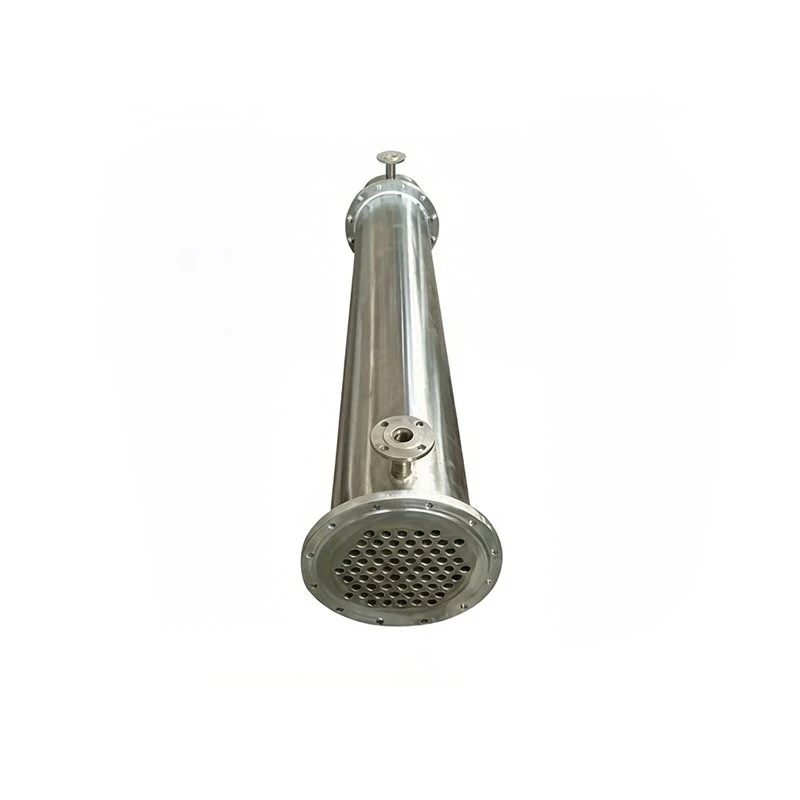
When designing a Shell Type Condenser, it's crucial to choose the appropriate configuration. For example, a 2 Pass Condenser can offer better heat transfer efficiency compared to a single - pass design. The two - pass arrangement allows the coolant to flow through the tubes twice, increasing the contact time between the coolant and the hot fluid in the shell. This results in more effective heat transfer and less energy required to achieve the desired cooling effect.
b. Use High - Performance Heat Transfer Materials
The choice of materials for the tubes and shell of the condenser can significantly impact its energy efficiency. Stainless Steel Heat Condenser is an excellent option. Stainless steel has high thermal conductivity, which means it can transfer heat more efficiently. Additionally, it is corrosion - resistant, reducing the need for frequent maintenance and replacement. This not only saves energy but also reduces the environmental impact associated with the production and disposal of new components.
c. Implement Variable Speed Drives
Installing variable speed drives (VSDs) on the pumps and fans of the Shell Type Condenser can lead to substantial energy savings. VSDs allow the equipment to adjust its speed according to the actual cooling requirements. For instance, during periods of low demand, the pumps and fans can operate at a lower speed, consuming less energy. On the other hand, when the cooling load increases, the speed can be adjusted accordingly to maintain optimal performance.
2. Reduce Water Consumption
Water is a precious resource, and reducing its consumption in the operation of a Shell Type Condenser is an important step towards environmental sustainability.
a. Recycle and Reuse Cooling Water
Implementing a water recycling system can significantly reduce the amount of fresh water needed for the condenser. After the cooling water has passed through the condenser, it can be treated and reused. This not only conserves water but also reduces the cost associated with water intake and wastewater disposal.
b. Use Air - Cooled Condensers in Combination
In some cases, combining a Shell Type Condenser with an air - cooled condenser can reduce water consumption. Air - cooled condensers use ambient air to cool the hot fluid, eliminating the need for large amounts of water. By using both types of condensers in a hybrid system, the overall water usage can be minimized while still maintaining the required cooling capacity.
c. Optimize Water Flow Rate
Properly adjusting the water flow rate through the condenser is essential for efficient water use. A flow rate that is too high can result in unnecessary water waste, while a flow rate that is too low can reduce the cooling efficiency. By carefully monitoring and adjusting the water flow rate based on the operating conditions, the condenser can achieve the best balance between water conservation and cooling performance.
3. Minimize Refrigerant Leakage
Refrigerants used in Shell Type Condensers can have a significant impact on the environment, especially if they are greenhouse gases. Minimizing refrigerant leakage is crucial for reducing the environmental footprint of the condenser.
a. Regular Maintenance and Inspection
Conducting regular maintenance and inspections of the condenser is essential to detect and repair any refrigerant leaks. This includes checking the seals, joints, and connections of the refrigerant system. By identifying and fixing leaks early, the amount of refrigerant released into the atmosphere can be minimized.
b. Use Environmentally Friendly Refrigerants
When selecting a refrigerant for the Shell Type Condenser, it's important to choose an environmentally friendly option. Some refrigerants have a high global warming potential (GWP), which means they contribute significantly to climate change when released into the atmosphere. Opting for refrigerants with a low GWP can help reduce the environmental impact of the condenser.
4. Enhance Material Sustainability
The materials used in the construction of a Shell Type Condenser can have a long - term environmental impact. Choosing sustainable materials and ensuring proper disposal at the end of the condenser's life cycle is important.
a. Select Recyclable Materials
Using recyclable materials in the construction of the condenser can reduce the demand for new raw materials. For example, Industrial Shell and Tube Heat Exchanger made from recyclable metals can be easily disassembled and recycled at the end of their useful life. This not only conserves resources but also reduces the environmental impact associated with the production of new components.
b. Proper Disposal and Recycling
When a Shell Type Condenser reaches the end of its life, it's important to ensure proper disposal and recycling. This includes draining and disposing of any remaining refrigerants and fluids in an environmentally friendly manner. The components of the condenser can then be recycled or reused to minimize waste.
5. Improve System Integration
Integrating the Shell Type Condenser with other industrial systems can lead to more efficient operation and reduced environmental impact.
a. Heat Recovery
The heat rejected by the condenser can be recovered and used for other purposes, such as pre - heating water or providing space heating. By implementing a heat recovery system, the overall energy efficiency of the industrial process can be improved, and the need for additional energy sources can be reduced.
b. Integration with Process Control Systems
Integrating the condenser with the overall process control system allows for better monitoring and optimization of its operation. This can ensure that the condenser operates at its optimal efficiency under different operating conditions, reducing energy consumption and environmental impact.

Conclusion
Making a Shell Type Condenser more environmentally friendly is a multi - faceted approach that involves optimizing energy efficiency, reducing water consumption, minimizing refrigerant leakage, enhancing material sustainability, and improving system integration. As a supplier, we are committed to providing solutions that not only meet the performance requirements of our customers but also contribute to a more sustainable future.
If you are interested in learning more about our Shell Type Condenser and how we can help you make your industrial processes more environmentally friendly, please feel free to contact us for a procurement discussion. We look forward to working with you to achieve your sustainability goals.
References
- ASHRAE Handbook - HVAC Systems and Equipment. American Society of Heating, Refrigerating and Air - Conditioning Engineers.
- Greening the Industrial Supply Chain: A Guide to Sustainability. World Resources Institute.
- Refrigerant Management Best Practices. Environmental Protection Agency.