




What is the lifespan of a Tube in Shell Condenser?
 Nov 02, 2026|
Hey there, fellow industry enthusiasts! As a supplier of Tube in Shell Condensers, I often get asked about one crucial question: What is the lifespan of a Tube in Shell Condenser? Well, let's dive right into it and explore the ins and outs of this essential piece of equipment.
First off, it's important to understand that the lifespan of a Tube in Shell Condenser can vary widely depending on several factors. These factors include the quality of the materials used, the operating conditions, the level of maintenance, and the frequency of use.

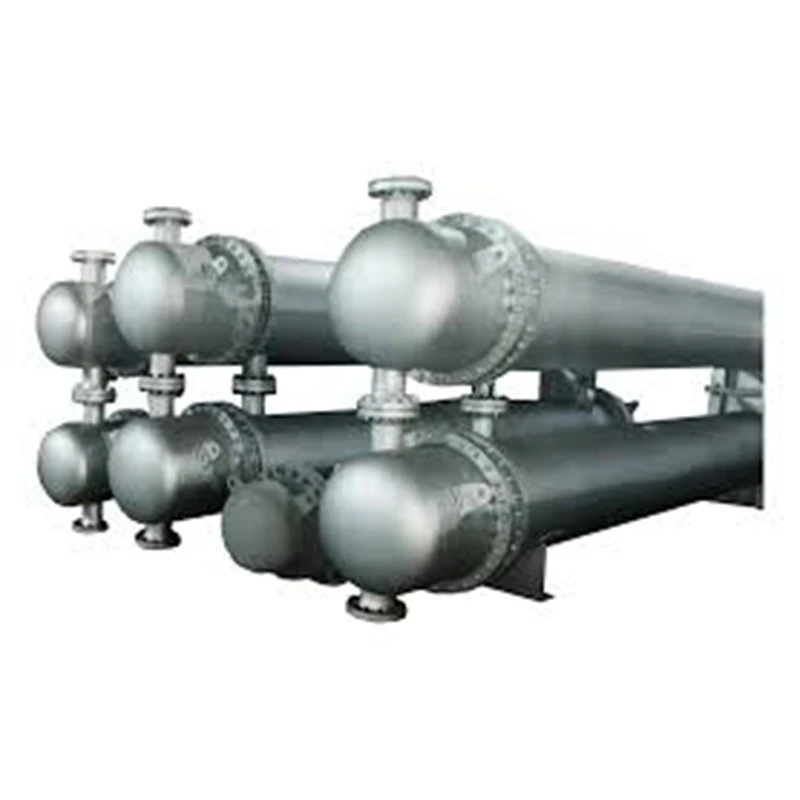
Quality of Materials
The materials used in the construction of a Tube in Shell Condenser play a significant role in determining its lifespan. High - quality materials can withstand the rigors of continuous operation better than lower - quality ones. For instance, a condenser made with corrosion - resistant stainless steel tubes is likely to last longer than one with mild steel tubes. We offer Stainless Steel Heat Condenser which are built with top - notch stainless steel, providing excellent resistance to corrosion and oxidation. This means they can operate effectively for a longer period without significant degradation.
Operating Conditions
The environment in which the Tube in Shell Condenser operates has a huge impact on its lifespan. If the condenser is exposed to harsh chemicals, high - temperature fluids, or abrasive particles, it will experience more wear and tear. For example, in a chemical processing plant where condensers are used to handle corrosive chemicals, the tubes may start to deteriorate faster. On the other hand, if the condenser is used in a relatively clean and stable environment, like a small - scale food processing facility, it can last much longer.
Another aspect of operating conditions is the pressure and temperature differentials. Condensers that operate under high pressure and temperature differentials are more prone to mechanical stress. This stress can cause tube failures, such as cracking or leaks, over time. It's crucial to ensure that the condenser is designed to handle the specific pressure and temperature requirements of your application. We have Water Cooled Shell and Tube Condenser which are engineered to perform well under various pressure and temperature conditions.
Maintenance
Regular maintenance is the key to extending the lifespan of a Tube in Shell Condenser. Simple tasks like cleaning the tubes to remove fouling can significantly improve the condenser's efficiency and longevity. Fouling occurs when dirt, scale, or biological matter accumulates on the tube surfaces, reducing heat transfer and increasing the risk of corrosion. By performing routine cleaning, you can prevent these issues and keep the condenser running smoothly.
Inspection is also an important part of maintenance. Periodically checking for signs of leaks, corrosion, or mechanical damage can help you catch problems early and address them before they turn into major issues. We often recommend setting up a maintenance schedule and following it diligently.
Frequency of Use
The more often a Tube in Shell Condenser is used, the faster it will experience wear and tear. Continuous operation without proper breaks can put a lot of stress on the components. For example, if a condenser is running 24/7 in a large - scale industrial plant, it may have a shorter lifespan compared to one that is used intermittently in a small - business setting. However, well - maintained condensers can still operate effectively for a long time, even with regular use.
Typical Lifespan Estimates
On average, a well - maintained Tube in Shell Condenser can last anywhere from 15 to 25 years. However, this is just a rough estimate. In some cases, with excellent materials, ideal operating conditions, and meticulous maintenance, a condenser can last even longer. Conversely, if the condenser is exposed to harsh conditions and not properly maintained, its lifespan could be significantly shorter, perhaps as little as 5 to 10 years.
Our Product Range
We, as a supplier, offer a variety of Tube in Shell Condensers to meet different customer needs. Besides the Stainless Steel Heat Condenser and Water Cooled Shell and Tube Condenser mentioned earlier, we also have Shell and Tube Type Water Cooled Condenser, which are known for their reliability and efficiency.
Our Plate and Tube Type Condenser offers a different design approach, providing enhanced heat transfer capabilities in a more compact form. And for those looking for innovative solutions, our Fin X Heat Exchangers use advanced fin technology to improve the overall performance of the system.
Wrapping Up
In conclusion, the lifespan of a Tube in Shell Condenser is influenced by multiple factors. By choosing high - quality materials, ensuring proper operating conditions, sticking to a regular maintenance schedule, and using the condenser appropriately, you can maximize its lifespan.
If you're in the market for a Tube in Shell Condenser or want to learn more about our products, don't hesitate to reach out. We're here to help you find the right solution for your specific requirements. Whether you're a small business owner or part of a large industrial operation, we've got the expertise and the products to meet your needs. Let's start a conversation and see how we can work together to get the most out of your condenser investment.
References
- Incropera, F. P., DeWitt, D. P., Bergman, T. L., & Lavine, A. S. (2007). Fundamentals of Heat and Mass Transfer. Wiley.
- Singh, D., & Solanki, S. (2014). Heat Exchangers: Selection, Rating, and Thermal Design. CRC Press.